


Is PVC vinyl flooring easy to transport? That's a question I get asked a lot as a PVC vinyl flooring supplier. And let me tell you, it's a great question because transportation can be a real headache when it comes to flooring materials. In this blog post, I'll share my insights on the ease of transporting PVC vinyl flooring and why it might be the right choice for your next project.
First off, let's talk about what makes PVC vinyl flooring so special. PVC, or polyvinyl chloride, is a synthetic plastic polymer that's known for its durability, flexibility, and affordability. These qualities make it a popular choice for a wide range of applications, from residential homes to commercial spaces. And when it comes to transportation, PVC vinyl flooring has some distinct advantages.
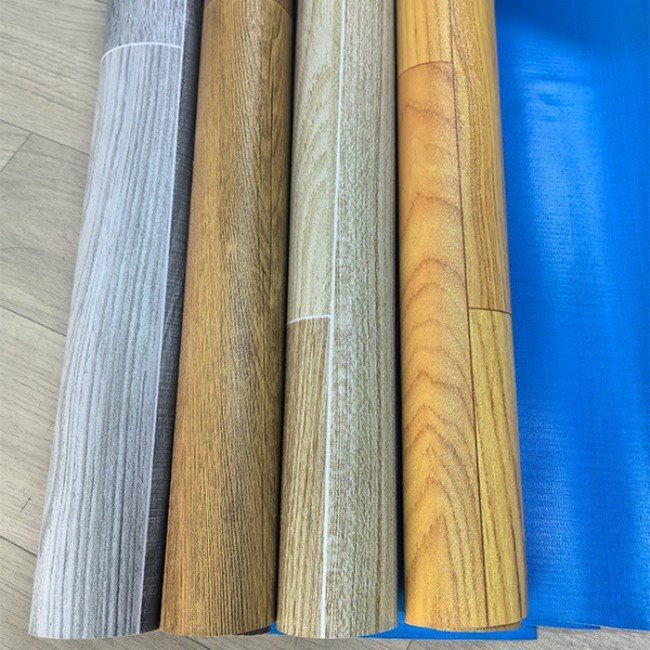
One of the biggest advantages of PVC vinyl flooring is its lightweight nature. Compared to other flooring materials like hardwood, tile, or stone, PVC vinyl flooring is much lighter. This means it's easier to handle and transport, whether you're moving it from the warehouse to the job site or carrying it up a flight of stairs. For example, a roll of PVC Vinyl Flooring Roll can be easily lifted and maneuvered by one or two people, which is a huge plus when it comes to installation.
Another advantage of PVC vinyl flooring is its flexibility. Unlike rigid flooring materials, PVC vinyl flooring can be rolled up, making it easy to transport in a compact form. This is especially useful for large projects where you need to transport a lot of flooring material. You can simply roll up the flooring and load it into a truck or van, saving you time and space. And because PVC vinyl flooring is flexible, it can also be easily cut to fit any space, which means you can minimize waste and reduce the amount of material you need to transport.
In addition to its lightweight and flexibility, PVC vinyl flooring is also relatively easy to protect during transportation. Most PVC vinyl flooring comes with a protective layer that helps prevent scratches and damage during transit. This means you don't have to worry about the flooring getting damaged during the shipping process, which can save you time and money in the long run.
However, it's important to note that while PVC vinyl flooring is generally easy to transport, there are still some factors to consider. For example, the size and weight of the flooring can affect how easy it is to transport. If you're dealing with a large roll of flooring, you may need to use a forklift or other equipment to move it. And if you're transporting the flooring over a long distance, you may need to take extra precautions to ensure it arrives safely.
Another factor to consider is the packaging of the flooring. Make sure the flooring is properly packaged and secured to prevent it from shifting or getting damaged during transit. You may also want to consider using a shipping service that offers insurance to protect your investment.
So, is PVC vinyl flooring easy to transport? The answer is yes, for the most part. Its lightweight, flexibility, and ease of protection make it a great choice for transportation. However, it's important to take the necessary precautions to ensure the flooring arrives safely and in good condition.
If you're in the market for PVC vinyl flooring, I encourage you to consider our products. We offer a wide range of PVC Linoleum Flooring, PVC Vinyl Flooring Roll, and PVC Waterproof Vinyl Flooring options to meet your needs. Our flooring is high-quality, durable, and easy to install, making it a great choice for any project.
If you have any questions or would like to discuss your flooring needs, please don't hesitate to contact us. We're here to help you find the perfect flooring solution for your project.
References:

- General knowledge about PVC vinyl flooring in the flooring industry.


