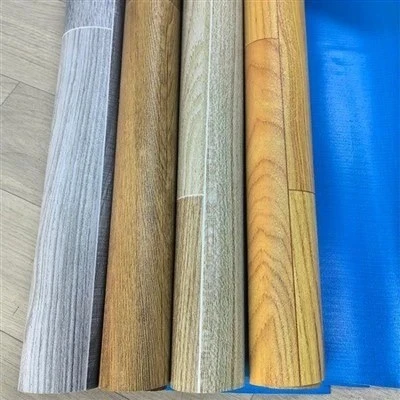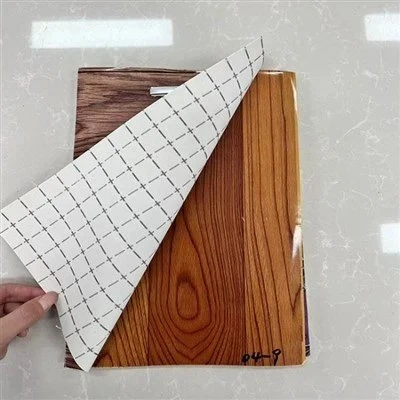

A facilities team needs more than a loose piece of flooring when a worn area needs attention. A commercial vinyl maintenance sample kit should link the installed material to labeled retained pieces, approved cleaning and repair instructions, relevant finish information and a floor plan that shows where each sample belongs.
XHC lists commercial vinyl flooring. Ask for the exact product and construction supplied for the job. The controlled finish sample, cleaning guidance and replacement stock need to match that actual selection. A swatch left over from design approval may look similar while belonging to a different lot or construction.
Tie protected references, working swatches and usable repair stock to installed areas.

XHC commercial vinyl flooring · XHC vinyl flooring range
Retain three kinds of evidence
Set aside a small handling sample for staff reference, a protected reference piece for comparison and usable repair stock where the project requires it. Label them by intended use. A cleaning demonstration can mark its working piece, so avoid relying on the same piece as the untouched appearance reference. Keep the repair stock in quantities and dimensions the installer can use.
Capture the supplier product ID, color, lot, direction and the rooms or zones served. Include the accepted finish reference and location of retained stock. Put orientation arrows on the associated tag or record, away from surfaces needed for a comparison. Keep matching pieces physically separate where several colors look similar from the back.
Give maintenance a record for routine decisions
| Kit element | Label or record | Intended use |
|---|---|---|
| Working swatch | Exact installed material and intended demonstration | Staff handling or approved cleaning comparison |
| Protected reference | Product, color, lot, face and location | Compare an observed change under agreed conditions |
| Repair stock | Usable dimensions, quantity, direction and location | Determine whether a specific repair can be supplied |
| Instructions | Exact product and controlling revision | Confirm approved maintenance and repair methods |
| Floor plan | Installed zones and relevant seams or finishes | Match the material to the repair area |
Keep the manufacturer's applicable instructions in the handover file. If the project identifies particular clean-down methods, attach their references and document the restrictions staff need. Do not copy a generic list from a visually similar floor. Use the exact surface and system when requesting clarification on an unusual mark or cleaning issue.
Make a repair request easy to interpret
Photograph the affected area and locate it on the installed plan. Record dimensions and any relevant direction. The maintenance lead can compare the labeled stock with that request and refer the installation details to the authorized contractor. Check whether the repair needs matching accessories or joining materials under the original system.
A useful inventory review asks what remains available after a repair. A borrowed piece should have a destination. Record the actual usable balance and note the zone it can serve. When new material is ordered, verify whether the same reference can still be supplied and how a new lot will be evaluated before putting it into the original stock location.
Build the kit around an actual maintenance call
Imagine the building manager reports a mark across a doorway and requests a replacement. First determine which flooring lies on each side. The area map should identify the material and any transition detail. Ask the manager for measurements and an overview in addition to a close photograph. A close-up rarely shows seam direction or the dimensions needed for a repair.
Take the protected reference out for comparison under representative lighting, then return it to its labeled storage. Ask the responsible people to assess wear, staining or another condition under the product's approved review process. Capture which condition is observed, which comparison was made and who can authorize a repair. The kit should help staff ask the right question quickly.
Give spare material a usable inventory
Measure and label sound usable portions separately from scraps intended only for demonstrations. An inventory entry can say which zone a piece serves, its usable dimensions and its current location. If a floor requires a particular direction or visual match, preserve that on both the stock tag and the floor plan. When someone moves stock to another building, update the register first.
Inspect the storage plan with the product supplier or installer where needed. Ask who checks condition, when the record gets updated and which instructions govern storage. Keep the records accessible to maintenance and purchasing. A sample cabinet organized by color alone can easily put a usable replacement in the wrong building's inventory.
At handover, give the facility manager a short walk-through. Have that person select the sample for a named corridor and locate the applicable maintenance instruction. The test will expose an unreadable lot code or an ambiguous zone name sooner than the first repair request. Correct the labels from the project record while the installer is still available.
A practical kit has a simple record for depletion. The team can describe a retained piece as one sound rectangle with a named direction and face, or as several irregular pieces that may cover smaller repairs. A gross area in square meters can make unusable odds and ends look sufficient. Ask the installer how a typical repair would be laid out and what additional allowance the agreed repair method needs. Update actual usable dimensions after the piece has been inspected and cut.
Retain photos of the zone and sample under representative lighting. Note which side of a change in finish is being compared and whether the picture was taken before or after cleaning. A photograph can help route a maintenance request, while the agreed physical reference can be useful for an appearance review. If a complaint concerns a specific mark, record the known cleaning history and obtain applicable instructions for the product before letting staff try a different treatment.
At an owner handover, demonstrate opening the pack, finding one piece and returning it to the correct place. Use a named example from the project, such as the first corridor past reception, rather than asking staff to guess from a drawing symbol. If the inventory is maintained by a different team, give it the controlled asset and stock references with the repair procedure. Staff should know whom to contact before borrowing a matching piece from another location.
In a refurbishment, ask whether the new area uses the same product reference, lot and approved finish as the original. Where an updated material is accepted, maintain its own record and reserve. Two adjoining areas can each have valid documentation and still require separate sample kits. Record the actual installation location so a future buyer does not mistake a supplier's replacement proposal for part of the original floor. Update the map and document the new maintenance instructions.
Give the maintenance pack a named owner and a place in the facilities handover. For a building with several floors, the storekeeper should be able to locate a labeled zone and verify that the relevant repair reserve is actually accessible. Ask for a witnessed walk-through from the entrance to the stock room. Show the team how to reconcile the lot and direction against a typical repair. Mark samples with the acquired project identifiers and avoid labels that depend on a person's nickname for the area.
For the care record, retain the authoritative document and any project-specific approvals. A team can print a quick reference for cleaning staff, with the current supplier instruction and contact recorded beside it. If a new cleaner is proposed, identify the exact installed product and consult the authorized instructions. An approved trial on a working swatch can document appearance under the intended method, with the untouched reference available for comparison. Save the result and its boundaries. That history helps resolve a later complaint whose origin might otherwise be assigned casually to a product batch.
Decide how supplies will be replenished. The same visual pattern might be offered in a different construction or lot. Ask the supplier to identify actual equivalence and project limitations before replenishment. If matching stock is unavailable, describe the candidate separately and let the responsible parties approve a new repair plan where applicable. The file should also explain what is reserved for large repairs and which pieces can be cut for evaluation.
Before signing the transfer, ask the original installer to locate one representative repair piece and explain its direction and usable size. Ask facilities to retrieve the same item without relying on the installer. If matching stock exists but cannot be identified through the map and labels, this is a handover issue. Correct it with the original project information. Keep a photo of the actual retained pieces and their tags for identification, with the applicable maintenance document linked separately. Assign someone to update the usable quantities after stock first goes into service.
Maintenance kit questions
Is an original sales swatch enough?
Keep it if useful, and tie the primary reference to the installed product and applicable lot. Retain usable repair stock separately.
How large should repair stock be?
Ask the installer and owner to define realistic repairs and cutting allowances. Record usable piece dimensions as well as total quantity.
What belongs on a direction label?
Show the orientation relative to a recognizable installed reference and the exact material identity. Use an approved tag that preserves usable surfaces.
Can staff try a cleaning product on the protected reference?
Use the product instructions and a designated working sample for any approved comparison. Protect the retained appearance reference.
How do several floor colors stay organized?
Identify every kit item by product and area. Keep close colors or overlapping lots distinguishable in storage and on the floor plan.
What should a replenishment request contain?
Send the installed identity, lot, area, dimensions and relevant joining or direction requirements. Explain whether the new supply must match existing repair stock.
Request product-specific maintenance materials
Send XHC the installed material schedule, zone plan and retained-stock needs. Ask for the appropriate maintenance documents and the information needed to select replacement material.