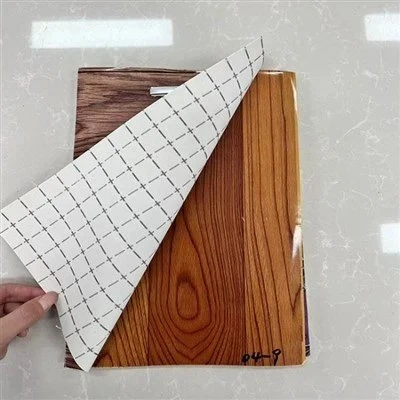


A roll reserved for phase three can lose its usefulness while the crew is still working on phase one. Vinyl roll storage during fit-out starts with the unopened factory package, readable roll and lot identifiers, the manufacturer's storage instructions, and a staging plan that protects each area's stock from unnecessary movement. Decide where each delivery goes before the truck arrives, and check the package again before releasing it to the installer.
XHC lists PVC vinyl flooring rolls. The exact product and packaging determine the correct handling, orientation, environmental and acclimation requirements. Ask the supplier for the applicable instructions for the ordered material. Use the project staging plan to implement those instructions without treating a rule from a different floor as a universal requirement.
Keep each roll, lot, approved location and release status identified.
XHC PVC vinyl flooring rolls · XHC PVC vinyl flooring range
Protect the quantity each phase will actually need
Tie the material schedule to the installed-area drawings and takeoff. Record the rolls reserved for adjoining spaces and the separate quantity held for repairs. Give each phase an identifier installers can find on the plan. When an area needs a particular lot arrangement, communicate that requirement in the warehouse pick list.
Set aside a receiving and hold area. At intake, reconcile order, roll code, lot, dimensions as marked and visible pack condition. Use an authorized procedure to document any damage without losing the original identifier. Preserve the distinction between a damaged wrapper and confirmed damage to the flooring. Keep suspect stock away from cleared stock until the assigned team resolves it.
Allow for later changes. Wet work, storage access or room completion can move the installation start. Record the new schedule and compare it with the agreed storage arrangement. Do not allow the stock's physical location to become the only evidence of which rolls belong to which part of the project.
Prepare an approved staging area
Review floor capacity, access, environmental conditions and the manufacturer's packaging or storage instructions with the authorized team. A convenient corridor can have heavy traffic, moving equipment or occasional exposure that is unsuitable for reserved rolls. Keep the authorized route and location accessible without putting unopened material in the way of construction.
Do not guess how a roll must be positioned or stacked. Use the applicable documentation and approved handling method. A rack or temporary barrier should serve the chosen product and load. If the storage arrangement changes, check it through the site process. A neatly organized stock photograph will not show whether the support or environment is appropriate for the ordered material.
Make roll tags readable without moving the entire row where practical. Protect the original label and add site identification separately. Decide who can authorize access and movement. Retain conditions and inspections as required under the supplier or project instructions. Mark a date and owner on any corrective action arising from the review.
Use one movement register for the whole project
| Event | Record | What the next team can verify |
|---|---|---|
| Receipt | Roll ID, lot, count and packaging observations | Exact material and visible intake condition |
| Reservation | Phase, planned room and approved installer | Which work the stock is intended to serve |
| Transfer | Time, previous and new locations, reason and condition | Identity and condition remain traceable |
| Issue | Physical identity, destination, requirements and receiver | Cleared material reaches the intended work |
| Hold | Actual discrepancy, affected roll and authority | Review before it can rejoin released stock |
Consider an illustrative job with three rooms spread over two phases. Rolls assigned to adjoining rooms remain identified together, while repair stock remains reserved under a different use. If one room moves forward, verify the actually planned cut list before moving three rolls just because the space opens sooner. Preserve the approved lot arrangement and any needed reserve. A movement that helps the first installer should not quietly make the next phase impossible.
When stock moves between warehouses or floors, record who receives it and what visible condition can be verified. Keep the original production label available. A warehouse label can help locate the roll and still needs to map back to the physical supplier roll. If a label becomes illegible, obtain an authorized identification or disposition before assigning the material to a finished area.
Release the roll with the installer
Review visible condition, product identity and the stock assignment. Confirm the space is ready and applicable preparation and acclimation can be carried out under the approved instructions. If the requested phase has no suitably identified roll available, tell the planner before cutting a different one. A changed allocation may affect other areas and needs the proper release.
Save an issue record even when the installer is the same person who accepted delivery. The two events answer different questions. A cleared receipt shows what was observed when stock arrived. Issue identifies what actually left storage and where it was to be used. Keep both if the customer wants a defensible record for later maintenance.
At the end of each phase, check the remaining inventory with the trade lead. Record which full rolls are still unopened and which reserve pieces are usable under the agreed rules. Notify the site when a package has to be held. If a replacement order is needed, provide the exact product and requested lot or appearance criteria. Follow the project's approval process for any different material offered.
Set up a phase release that can survive a delay
At a fit-out meeting, prepare a simple view showing the approved storage position for each current delivery and who owns the next movement. Show the phase and its actual room allocation beside the roll identifiers. If another contractor needs the area, plan any authorized relocation in time to preserve the same conditions and labels. Inform the installer where the rolls will be found. A move instructed verbally can leave the crew working from the previous staging map.
Ask the incoming inspector to record relevant observations before stock is placed behind other materials. If an area becomes unavailable because site conditions have changed, photograph the authorized alternate position and identify who accepted it. Keep material on hold distinguishable and do not overwrite its intake condition merely because it moved. Confirm the stock's next inspection or release status before making another assignment.
In one illustrative phased delivery, the original schedule reserves four compatible rolls for connected rooms. Two arrive first and two remain in the delivery plan. The team stages the first two without treating the room group as fully supplied. As the second delivery arrives, the receiving team confirms identity and the actual allocation is checked against the approved lot requirements. This avoids opening the first rolls on a schedule that assumes matching balance already exists.
At issue, ask the installer to identify the first room and confirm the actual rolls selected. Include any project requirement related to directions, transitions or retained stock. If one roll is moved to a different zone, ask for the revised layout and stock allocation before releasing it. The stock register should show the new plan as well as the actual timing. When a later maintenance request arrives, it can then be linked to the installed material instead of only to the original warehouse location.
A note for the last phase should also identify what remains for facilities. A retained full roll and a usable remnant have different requirements and should keep their actual identity. Transfer only the accepted information, conditions and storage location to the maintenance owner. Give them a practical way to request matching stock without relying on an installer who may have left the project.
Keep a small inspection calendar with the physical record when the project or supplier requires interim checks. Note observed pack condition, authorized location and any site event relevant to the stock. If an inspection is due when storage access is restricted, arrange the approved route with facilities and record the actual outcome. A calendar entry alone does not establish that the rolls were inspected. Include any exception and the responsible reviewer.
For substitutions, use the approved product and appearance criteria as the starting point. A replacement roll may solve a quantity issue while creating a different concern at a transition. Check its actual identity and proposed location before moving it into the storage area for released material. When the installer receives both original and replacement rolls, give them a drawing showing what belongs where. Keep any agreed retained repair stock associated with the same installation record.
At demobilization, verify that unopened stock still has a readable identity and a known destination. A transfer to facilities, another project or a hold location should be an actual documented event. Retain the relevant instructions. Document and escalate any loss of identity or condition concern before updating the record as fully available. That final stock review can preserve material the owner will need long after the site bins are cleared.
Questions about unopened roll stock
Can rolls stay in a hallway until the room is ready?
Use an approved area consistent with the applicable conditions, access and handling requirements. Review the actual hallway before treating it as storage.
Should damaged wrapping be removed immediately?
Follow the approved process and retain the original identity. Document the visible condition and obtain the required inspection or supplier instruction.
Can reserved rolls be swapped between phases?
Review lot, appearance, quantity and cutting implications with the authorized team. Update both phase assignments when the transfer is approved.
How should storage orientation be selected?
Use the applicable instructions for the actual product and approved supports. Do not rely on the orientation used for a visually similar floor.
What if a delivery gets wet?
Record the actual condition and separate affected rolls under the project process. Ask for the documented review required before installation.
What goes into the final inventory?
Keep roll identifiers, lot, location, usable quantity or dimensions, applicable area and hold or release status. Preserve the instructions for retained stock.
Ask XHC for product-specific storage instructions
Send XHC the exact roll products, phasing and proposed staging conditions. Ask for the applicable handling, storage and preparation documents and any project-specific support needed.