
A roll can be the right color on the purchase order and still be the wrong companion for the roll installed across a corridor. Receiving commercial vinyl by dye lot means reading the production identifiers before installation, assigning compatible stock to connected areas and keeping a reliable record of what went where. The job starts when the truck is unloaded, while each roll can still be identified and moved.
XHC's commercial vinyl flooring range is the supplier reference for this guide. Use the selected product's order confirmation for color, variant, roll dimensions and other construction details. A style or color identifier describes the ordered appearance. A production lot is a traceability field. If the packing label carries more than one number, get the supplier to identify the batch and roll fields before the crew builds a cutting plan around the wrong code.
Allocate matching rolls to connected areas and keep the factory lot visible through installation.

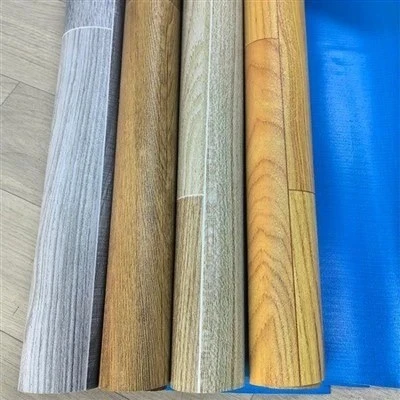
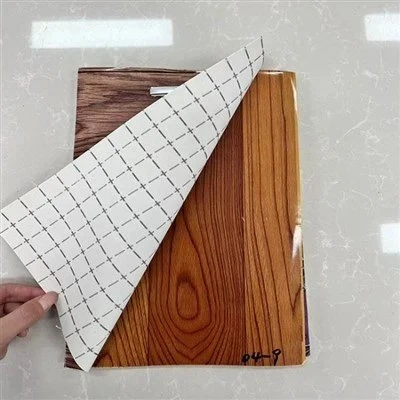
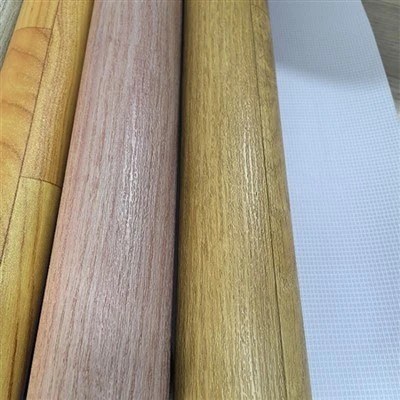
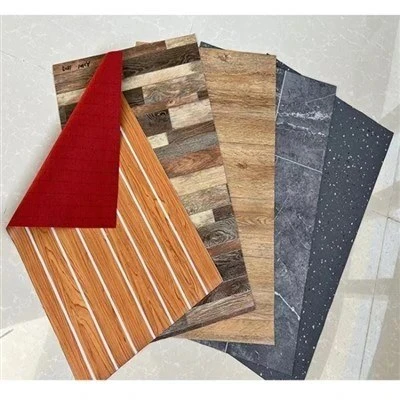
XHC PVC vinyl roll specifications
Mark the floor plan before the truck arrives
Divide the plan into adjoining areas whose finished surfaces will be seen together. A wide lobby that continues into two hallways is one obvious group, but a janitor closet behind a closed door may be independent if the project agrees. Mark doorways, visible thresholds and naturally separated areas. Confirm the planned joints and direction requirements with the installer; both influence how many compatible rolls are required for each group.
The takeoff should tell the receiving lead which lots need space together. Leave room for offcuts, installation allowances and dedicated repair stock according to the project plan. Add hold areas where disputed rolls can remain identifiable and out of the cutting queue. With narrow dock space, a staged delivery may be easier to reconcile than receiving every roll into a corner where only the outer layer can be read.
| Record | What to capture | Where it earns its keep |
|---|---|---|
| Design schedule | Exact ordered style, approved color reference and installation area | Matches the warehouse delivery to the approved finish |
| Roll label | Lot, roll ID, dimensions as labeled and receiving photos | Separates rolls that look alike in the wrapping |
| Floor plan | Zone, planned transitions and direction references | Allocates material across surfaces seen at the same time |
| Release note | Roll assignment, split decisions and inspector initials | Preserves approval when crews change or cartons are moved |
| Spare stock | Remaining original length, lot and associated zone | Gives facilities a starting point for later repair |
Inspect and label each roll without losing the factory record
Confirm the shipment identifier and compare the paper quantity to the actual rolls. Read and photograph every factory label while it is accessible. If two labels disagree or a label is unreadable, preserve the roll's location and request clarification. A label from a neighboring roll cannot be used as evidence for the one in question. Keep your warehouse identifier separate from the supplier label rather than covering it.
Then do the condition check. Record crushing, water exposure, torn wrapping or storage damage with an individual roll ID. Document whether the visible issue appears on protective packaging or has already reached the material. Ask the supplier and project lead which inspection and claims steps apply before cutting the roll. The receiving record needs both a lot decision and a condition decision, since a roll can satisfy one and fail the other.
For a series that uses sequential roll numbers, ask how the manufacturer wants those numbers used. Keep sequential information intact in the set when it is part of the installation instruction. If a mixed pallet is being sent upstairs from the dock, attach readable temporary tags at a location the crew will see before opening the product. Check outgoing movements against the inbound register instead of making a fresh, disconnected list at the lift.
It helps to issue the installation crew a small room-by-room stock list rather than the entire packing list. Name the grade, color, roll ID and where to find its factory label. Add one column for any agreed visual review still due at the work area. If a cut has to be moved to another room, that column forces another look at the relevant transition before the material is installed. Give the person reconciling surplus a copy of the original allocation alongside the revised one.
Put the shade decision under the conditions buyers will see
When two dye lots are on one delivery, the practical question is whether they can be used in the planned layout. Compare material in the specified orientation and relevant project lighting. Use the manufacturer's handling and layout instructions, and ask the authorized person to approve any proposed transition. Take helpful photographs for the file, but base visual judgment on the agreed comparison. Automatic white balance and different viewing angles can make one image a poor substitute for standing at the actual junction.
Suppose a corridor and reception area need three compatible rolls after the cut plan is approved. Lot L has two rolls and lot M has three. A straightforward allocation is to reserve M for the joined space and consider L for a physically separated room whose area fits the remaining material, provided the finish schedule allows it. The allocation should name each roll, its room and the planned transition. It should also say which roll provides matching repair stock. Recheck length and cutting needs before turning the illustration into a site decision.
A joint opposite a large window and a short doorway between rooms can present different viewing conditions. Have the installer indicate where a change is most visible and use that note during sign-off. If the project mandates one lot in a connected area, appearance on the dock does not waive that specification.
Keep the lot history after the last seam
Before cut stock moves to the work area, transfer roll and lot details to the issue tag and the installer's layout record. A piece sent back to storage should retain its origin even if the wrapper is gone. If fragments need different handling for a small repair, provide dimensions and storage location with the identifier instead of marking everything as "same vinyl."
Record what the installer actually used. When the plan changes, note the revised locations and material IDs. Facilities can then find the direction, lot and location from one file during patch work. A practical handover includes uncut reserve rolls, labeled usable offcuts and the location drawing. Keep the original batch documentation along with the final allocation, especially if deliveries arrived on different days.
At a hospital or school, installation may be divided by uptime requirements rather than convenient stock quantities. One wing could be completed weeks before the next. Check whether the matching reserve should remain at the dock, move to the next area or be transferred to facilities after the first handover. Use a site map to locate it. A clear reserve instruction avoids using matching repair stock on a room that could have used a separate approved lot.
Discuss who signs the commercial release and who signs the visual installation decision. Receiving staff can show that the expected style and lot arrived in good condition. They may not have authority to accept a transition the designer required to remain uniform. Give each role a field and record the evidence appropriate to it. A date on a warehouse ticket should not be read as visual approval.
If the warehouse holds leftover full rolls for another job, transfer them in a way that preserves the original factory label and installed-area history. Enter the physical stock location as well as the code. Later, staff might see two rolls with the required commercial vinyl dye lot but only one with enough length for a repair. A clear quantity, location and condition entry stops the job from depending on a second visit to storage.
Dye lot questions from the jobsite
Is the color code the same as the dye lot?
Use the manufacturer's identification scheme. Record both fields when they are present, and confirm unclear labels with the supplier. A common order color can still arrive under different production identifiers.
Can two lots be used on opposite sides of a doorway?
That depends on the approved layout, manufacturer instructions and the project's requirements. Compare the appearance from both directions under representative lighting and obtain approval for the exact proposed transition before cutting material for it.
What if a replacement roll arrives with a different batch?
Put it in a separate location until the project team checks the label and its proposed use. Compare it with the matching installed or retained stock under the agreed conditions. If needed, identify another placement or work with the supplier on a replacement.
Should I open every roll on arrival?
Agree the inspection scope in advance and follow the product handling instructions. Read and document visible labels first. If project terms require opening for inspection, maintain a link to the original identifiers throughout the check and rewrap as instructed.
How much material should be reserved for repairs?
Use the amount agreed in the project documents with the installer and owner. Match the reserve to finished areas and available lots, and record its usable dimensions. A reserve spread across different lots is easier to use when the storage tag identifies the zones from which it came.
Can a phone picture settle a disagreement about shade?
It is useful context when angles, lighting and sample labels are documented. Bring the disputed pieces together in the approved viewing arrangement and have the authorized reviewer sign the actual result. Keep the images with that decision.
Send the roll schedule before ordering
Share the XHC flooring reference, color selection, grouped room takeoff, required same-lot areas, delivery sequence and reserve stock requirement. Ask XHC to confirm the lot identifiers it can provide and how those fields appear on the labels.