
COMMERCIAL FLOORING SPECIFICATION
On a commercial vinyl specification, total thickness describes the overall product thickness as defined by the applicable construction and measurement method. Wear layer thickness refers to the designated surface layer above the pattern in the relevant construction. Ask for both values by exact SKU. A thicker floor is not automatically evidence of a thicker wear layer, and neither number by itself proves the expected service performance of an installed floor.
XHC's commercial vinyl range lists total thickness from 1.0 to 5.0 mm and wear layers from 0.35 to 0.7 mm. Those are range figures for a product listing. They should not be combined freely to invent a specific construction. Obtain the datasheet and approved sample for the exact item being quoted, and confirm which layers each numerical value includes.
Match total thickness and wear-layer thickness to the exact variant and measurement basis.

View the related product or series · Compare the second product or supplier reference
Vinyl flooring wear layer vs thickness on a layer drawing
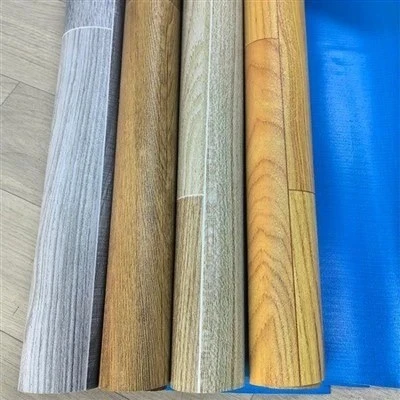
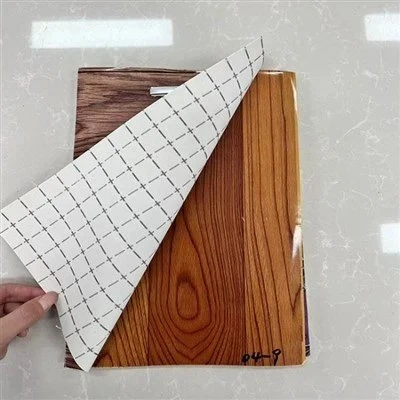
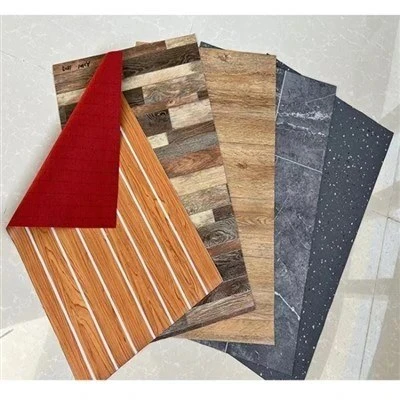
Request a simple labeled cross-section with the designated wear layer, any surface treatment, substrate layers, reinforcement or optional backing noted as applicable. Ask which features and measurement methods are defined for the product. A visual sample may show a clear film and a backing, but a photograph cannot establish their thicknesses or confirm whether a coating is included in a quoted value.
Give the designer and buyer one shared construction reference. Where a finish can be supplied in several forms, record the correct style, roll or plank format and backing. Keep the project's required use classification and applicable test evidence as separate lines. The project owner needs the full specification and accepted installation system before treating a proposed alternate as interchangeable.
| Field | Ask the supplier for | How the buyer uses it |
|---|---|---|
| Total thickness | Exact SKU, nominal result, method and relevant tolerances | Coordinate levels, details and the approved construction |
| Wear layer | Defined layer, nominal value and measurement basis | Compare the exact proposed constructions |
| Surface treatment | Identification and separate performance evidence where required | Review cleaning, finish and maintenance requirements |
| Backing and format | Approved construction, roll or plank reference and dimensions | Check transitions, packing and installation scope |
Compare two offers without assigning a service-life guarantee
For a hypothetical comparison, one construction might be 2.0 mm overall with a 0.55 mm wear layer and another 3.0 mm overall with a 0.40 mm wear layer. The second is thicker overall; the first has the thicker stated wear layer in this example. This does not establish either product's suitability or predict years of service. The examples are not a representation of a specific XHC SKU.
Continue the comparison with the approved performance requirements for the use area, such as relevant resistance, maintenance instructions and the installation details. Check what documentation is available for the exact assembly. A project cannot safely treat a single construction metric as a proxy for every performance criterion. Where the supplier offers a broad product-family report, ask which construction and scope it covers.
Turn specification differences into receiving checks
Place the exact construction and version on the quote and purchase release. Request marking by finish, lot and other identifiers the receiving team can actually confirm. If a tolerance or measurement method controls acceptance, cite the applicable documents next to the value. A quick measurement on a cut edge might reveal a discrepancy to investigate; it should not automatically substitute for the approved method.
Record which areas require special coordination at thresholds, stairs or transitions. A changed overall thickness can matter even when the surface specification stays unchanged. A different backing or surface construction could also affect installation and maintenance. Ask the authorized installer and specifier to review the actual system before approving a substitute. Keep their decision and the revised quote together.
Read the cross-section in the same order the product is quoted
Start with the visible surface and work down through the construction shown by the manufacturer. Identify which part of the drawing is a decorative layer and which is described as a designated wear layer. If there is a separate surface treatment, keep it on its own line unless the applicable specification expressly defines another measurement basis. Ask for a clear explanation if the quoted construction uses a different structure. For a visual sample, record what can be recognized and which numerical statements rely on the product's approved data.
Have purchasing request the exact product and construction before reviewing comparisons. Some proposals list examples from a range rather than assigning both figures to each style. If this happens, keep the offered SKU unresolved and ask the supplier to complete the row. Make the design owner's requirements visible as well: perhaps overall buildup governs a threshold detail while a separate wear specification is tied to the project requirements. In the quote comparison, the columns should point to the evidence that answers each decision.
Ask whether another layer or backing choice changes the meaning of the drawing or the applicable installation system. A product name can stay similar although two configurations need different confirmation. Retain a drawing revision and sample reference that receiving can actually match. This is especially helpful if the design owner accepts a departure from an early tender value and the project's first purchase record still shows the old figure.
Build a concrete case for the specifier and installer
Imagine a hypothetical refurbishment where a floor interfaces with two existing thresholds, but the buyer also has a specified wear layer requirement in the main use area. Ask suppliers to quote the accepted construction and provide the installation information the contractor needs. A proposed greater overall thickness could affect the interface and does not automatically satisfy the wear requirement. A lower overall value might simplify some design details while still needing its own review of performance and installation.
Use two separate approvals where appropriate. The specifier can verify the exact wear and product requirements, while the installer can review the proposed buildup, site conditions, substrate or preparation and transitions. Record which party authorizes each deviation. If a floor is to be installed in different use areas, document where each product may be used. Do not assign the floor from a single thickness label when the quotation covers several variants.
Discuss maintenance with the applicable owner rather than extrapolating from physical thickness. An actual cleaning program or use condition can affect the chosen system and evidence requirements. Ask the supplier for current instructions and any limitations relevant to the offered product. Where the project requires a particular performance result, keep the reported method, tested construction and outcome alongside it. A generic brochure commonly cannot resolve whether a specific offered construction was tested.
Prevent later substitutions from wiping out the comparison
Use an approved item sheet that contains finish, exact material identity, total thickness, wear layer figure and the governing document. Add any backing, approved system or transition detail that determines where it can be used. A receipt check can confirm labels, quantity and obvious condition even where a dimensional review needs a qualified method. Keep the roles distinct and write which checks are mandatory for release.
When a later quote proposes a substitute, compare both numbers with the original and look for changes in the references used to establish them. Attach a fresh sample and identify the measurement scope. If a company wants to use up a surplus roll in another area, check that the receiving and specifier records support it. The original approval may apply only to one site or use group. Keep any exception visible so the buyer does not assume the entire range has now been released.
A useful closeout file can state whether a site release covers all variants or the actual items installed. Keep the applicable product data and decisions close to each location. If a part of the finished floor is replaced later, records of the accepted construction can reduce errors between a similar-looking finish and the original physical buildup. Label that selection with its own date if a new approved construction is used.
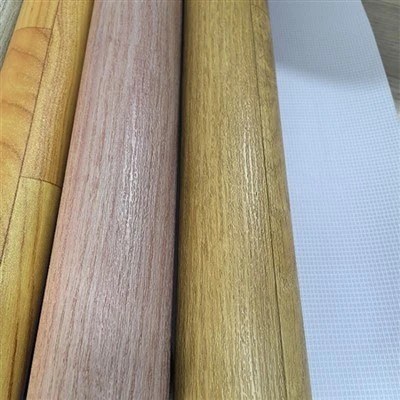
Ask the supplier to write both nominal figures in the same row for the final SKU and to confirm any conditions or tolerances. Check whether a visual sample is offered as color evidence only or as the reference construction. If it represents only the finish, label it that way so the thickness record remains tied to the exact ordered material. Preserve the decision even if the owner accepts a different transition after site review.
Questions when comparing offers
Does a larger overall number prove a larger wear layer?
No. Obtain both values for the exact construction and compare them separately.
Is a coating automatically part of the wear layer measurement?
Ask how the product documents define and measure the value. Report any separate coating or treatment as such.
Can I pick a value from the catalogue range?
Ask XHC which combinations are offered for the exact product and obtain the confirmed datasheet for the quote.
Can I compare samples by eye?
Visual checks are useful for construction and finish references. Use the approved documentation and methods for dimensional or performance requirements.
Does the wear layer predict how long the floor will last?
Consider the approved use, installation, traffic, cleaning and relevant performance evidence. A thickness figure alone does not establish service life.
Which figures should installers receive?
Provide the exact selected material, thickness references, approved system, location and current drawing or product revision.
Request an exact vinyl specification
Send XHC the intended use area, wear layer and overall thickness requirements, applicable tests and installation constraints. Ask for an itemized construction comparison and matched sample references.